
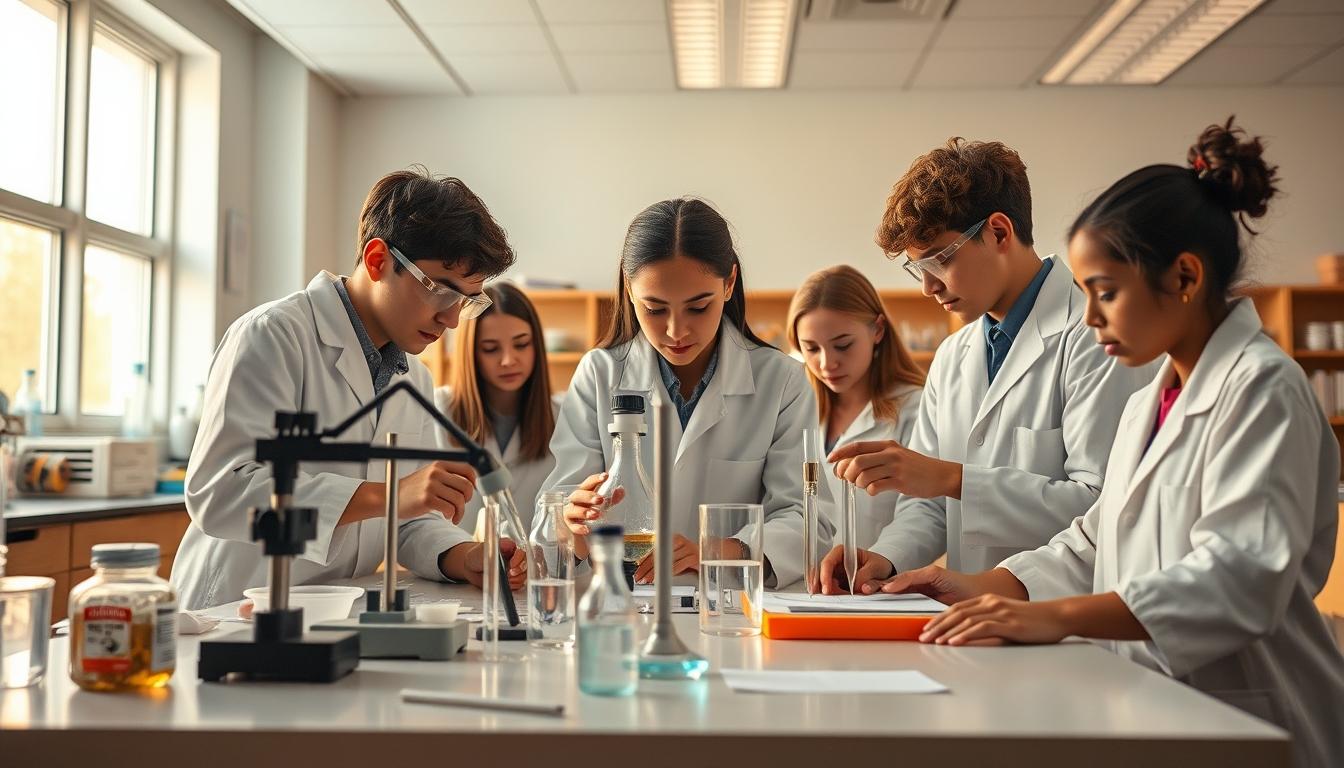
The Importance of Building Skills in Learning
Developing practical skills is a vital component of education, as students require more than theoretical knowledge to thrive. They gain from abilities like effective communication, scheduling, analytical thinking, teamwork, and problem resolution. These competencies boost academic performance and equip learners for upcoming career chances.
Across France, learners typically acquire these abilities through a blend of classroom instruction, self-directed study, projects, and hands-on experience. This balanced mix fosters scholarship while building flexibility and self-assurance in varied circumstances.
Developing skills enhances a student’s capacity to translate knowledge into real-world use, making learning more actionable, meaningful, and valuable as time passes.
BreezeStonePath Education InsightFundamental Skills That Underpin Student Achievement
Several abilities prove beneficial across nearly all subjects and settings. Clear communication helps students articulate ideas, and good organization simplifies handling tasks, deadlines, and study habits. Critical thinking aids analysis, evaluation, and sound decision-making when facing new information.
Collaboration matters more than ever in contemporary schooling. Team tasks, discussions, and joint projects teach listening, contributing, and collaborative problem-solving, enriching both scholarly progress and personal development.
How Students Develop Skills Over Time
Skill development typically unfolds gradually. Learners advance through regular practice, reflection, and steadier application across varied learning situations. Projects, presentations, independent tasks, and organized feedback all build greater abilities over time.
When students establish clear aims and monitor their progress, they become more aware of strengths and growth areas. This self-awareness fuels motivation and encourages greater ownership of their development.

Effective Ways to Build Skills
Learners can cultivate key abilities through everyday habits and targeted study routines. Small, regular actions can yield meaningful long-term gains in academic and personal growth.
- Cultivate communication - Express ideas clearly in writing, discussion, and classroom engagement.
- Enhance time management - Utilize schedules, set priorities, and realistic goals to stay organized.
- Sharpen critical thinking - Question information, compare sources, and consider various perspectives.
- Collaborate effectively - Benefit from teamwork, shared tasks, and constructive feedback.
- Foster consistency - Regular effort turns useful actions into durable habits.
From Classroom Skills to Lifelong Growth
Developing skills extends beyond a single course or stage. The abilities gained during studies continue to aid future learning, work settings, and daily decision-making. Solid skills help learners adapt, communicate well, and tackle challenges with greater confidence.
Thus, skill development stands as a highly valuable element of education. It bridges theory and practice and helps students grow not only as learners but as capable, prepared individuals.
Last updated: March 12, 2024